How Hotel and Resort Architects Transform World-Class Hospitality Designs
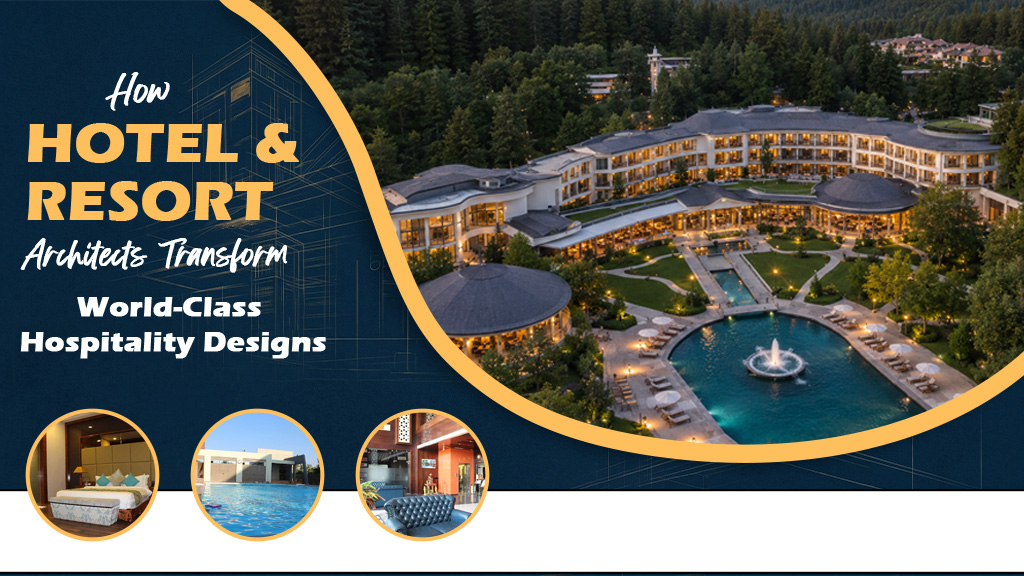
The hospitality industry has transformed to fulfill new demands from consumers. In modern time, guests need more than just comfort, they want luxury and memorable experiences from the very start of their visits. As a result of this trend, the role of professional architects of hotels and resorts has become more relevant due to their ability to design hospitality areas which will combine luxury, functionality and environmental-friendly elements. Today's hotels and resorts are much more than buildings that tourists will stay in during their holidays. Such constructions create entire holiday environments that make people feel relaxed and at home while being on vacation. Everything starting from the entrance lobby to guest suites or resort area landscapes contributes to creating such an atmosphere. This is why hospitality-oriented architectural companies such as Acuity Hospitality play a crucial role.
What is the Importance of Hotel and Resort Architects in Hospitality
Hospitality architecture is very different from designing residential or commercial buildings. Hotels and resorts need places that can meet the needs of both guests, employees, investors, and hoteliers themselves. In addition, hospitality architects need to design places which will be both beautiful and efficient at the same time. Architects specialized in hotels and resorts usually spend much time studying guest behavior, travel trends, brand identity, and the operational needs. Good design may influence the satisfaction of guests, increase the value of the property, & ensure the success of the business in the long run. In the competitive hospitality market, architecture has become one of the biggest factors that differentiate one property from another. People tend to pick places to stay not because of their locations or prices but ambiance and aesthetic appearance.
What Is the Role of Hotel and Resort Architects?
Architects who specialize in hotels & resorts play an important role in designing hospitality venues that are aesthetically pleasing, practical, comfortable, and easy to manage. It is not their only duty to design good-looking buildings but the main aim is to ensure that all aspects of hotels are planned well so that clients enjoy themselves while management operates without problems.
Designing Functional and Attractive Spaces
It is necessary that architects should create functional and appealing places for hotels and resorts. Architects design various places like guest room, lounge area, food place, spa, swimming pool, and recreation place, making sure that all these places have been made convenient for everyone. Furthermore, architects also make sure that places designed by them look attractive & create pleasure among guests.
Improving Guest Experience
Architects designing hotels or resorts give extreme importance to providing the guest with a pleasant experience. The architecture contributes greatly towards ensuring that the guests have a great experience. Lighting, open spaces, beautiful landscapes, and many other components constitute an architectural design that ensures that the guests feel comfortable.
Design That Represents The Brand Personality
Each hospitality brand comes with its own unique personality, which the architects make sure to represent through designing buildings. An elegant and sophisticated architectural design might be required in luxury resorts, while boutique hotels may call for more of a traditional architectural design representing the culture or artistry of the place.
Incorporation of Technology
Since technology has become critical in providing hospitality services, it becomes the job of the architects to effectively incorporate the technological aspects in hotels and resorts. It may include incorporating advanced lighting options, automation, and other controls.
Safety and Compliance
Yet another key responsibility of hotel and resort architects includes ensuring that they provide the facility not only with adequate safety and security measures but also that they comply with all regulations and are accessible to everyone.
The Importance of Master Planning in Resort Development
One of the most crucial phases in the development of hotels and resorts is that of master planning, which determines the manner of operation and experience of the establishment. Architecture firms specializing in hospitality like Acuity Hospitality usually stress master planning as it is directly related to the profitability of the project. Successful master planning should include:
- Proper site use in terms of maximizing space utilization and guest comfort.
- Smooth guest circulation throughout the hotel or resort property.
- Expansion plans for future growth in business.
- Integration with the environment to ensure harmony with nature.
- Planning for infrastructure in order to facilitate hospitality services.
- Placement of amenities to make the guest experience more convenient.
Conclusion
Hospitality architects have a major part in influencing the future development of the hospitality sector. Their job is not merely focused on designing appealing buildings but also involves developing unique sites that have an emotional impact on people. With the evolving needs of travelers, there have been many developments in the field of hospitality architecture, from sustainable luxury resorts to high-tech hotels. Firms such as Acuity Hospitality know the value of combining innovation with practicality and efficiency in the creation of exceptional hospitality environments. Acuity Hospitality recognizes the significance of merging creative and functional design to produce outstanding hospitality facilities. In today’s travel industry focused on experience, architecture serves as the core of memorable hospitality.